
Side Dishes
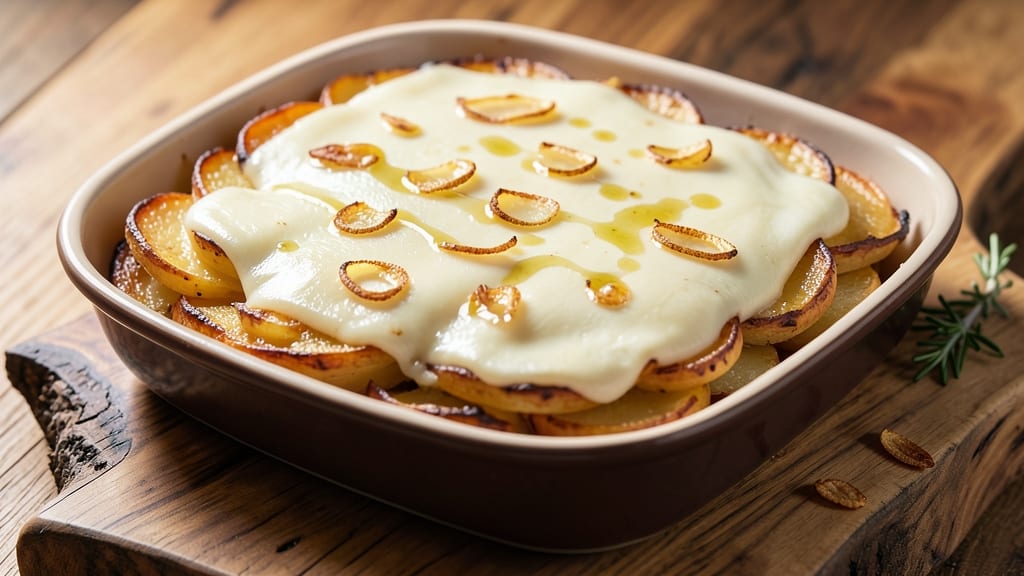
This Barefoot Contessa potato gratin recipe turns a humble side into a golden, vinegar-crusted masterpiece with velvety cheese layers. The secret lies in slow cooking and precise layering—each slice reveals tender potatoes bathed in rich, velvety béchamel, while the top develops a golden, crispy exterior that's impossible to resist.
I’ve refined this recipe over years of testing, ensuring every bite delivers that perfect balance of texture and flavor.
This gratin requires just seven ingredients but delivers restaurant-quality results with minimal effort. The key steps—thinly slicing potatoes, building layers in a buttered dish, and baking until bubbly—create that signature pull-apart texture. A splash of vinegar in the béchamel adds brightness, cutting through the richness while enhancing the crust’s depth.
Professional techniques like pre-cooking the potatoes and using a thin, even layer of cheese ensure foolproof success every time.
By the time it emerges from the oven, your gratin will have a golden, crispy top that crackles with each bite, while the interior remains creamy and tender, almost custard-like.
The aroma alone will have everyone gathered around the table, and the first forkful will confirm why this dish is worth the effort. Whether served as a side for roasted meats or as a hearty main with a fresh green salad, it’s a crowd-pleaser that feels indulgent yet satisfying.
For added convenience, I’ve included variations like adding garlic or herbs to the béchamel, or swapping Gruyère for Parmesan for a sharper flavor. The recipe also scales perfectly for gatherings—just adjust the baking time slightly. Let’s get started on creating this decadent, cheesy masterpiece that tastes like a home-cooked hug.
Ingredients for barefoot contessa potato gratin
Seven quality ingredients transform simple potatoes into a restaurant-worthy gratin.
| Ingredient | Amount | Notes |
|---|---|---|
| Russet Potatoes 🥔 | 3 lb | Thinly sliced, 1/8-inch thickness |
| Heavy Cream 🥛 | 2 cups | Full-fat for creaminess |
| Whole Milk 🥛 | 1 cup | Room temperature preferred |
| Gruyère Cheese 🧀 | 2 cups | Freshly grated, nutty flavor |
| White Wine Vinegar 🍶 | 2 tbsp | For brightness and crust |
| Unsalted Butter 🧈 | ½ cup | Cold, cubed for topping |
| Salt 🧂 | 1 ½ tsp | Kosher or sea salt |
The potatoes are the foundation, so choose Russet—their high starch content creates that signature creamy texture. Organic potatoes from Whole Foods or your local farmers market have fewer impurities, but any Russet works if it's firm and free of sprouts. Thinly slicing them (about 1/8-inch) ensures even cooking and that perfect pull-apart texture. If you don't have a mandoline, a sharp knife and steady hands work—just take your time. Pre-cooking the slices in salted water for 5 minutes jumpstarts the process, but don't overcook them or they'll turn mushy in the oven.
No Gruyère? Parmesan or Emmental work well, though Gruyère's nutty depth is ideal. The vinegar is non-negotiable—it brightens the béchamel and helps create that signature crispy crust. White wine vinegar is best, but apple cider vinegar in a pinch adds a subtle sweetness. Heavy cream should be full-fat; anything less risks a grainy texture. For a richer béchamel, some cooks add a splash of Dijon mustard (about 1 tsp), but it's optional. If you're sensitive to dairy, you can substitute half-and-half for the milk, though the texture will be slightly lighter.
This gratin tastes even better the next day, so make it ahead if possible. Store leftovers in an airtight container for up to 4 days in the fridge, though the crust loses its crispness after the first day. For reheating, cover with foil and bake at 375°F (190°C) until warmed through. The cheese layer freezes beautifully for up to 3 months, though the texture may be slightly grainier after thawing. To serve, always let it rest for 10 minutes before slicing—this helps the layers set and makes for cleaner portions.
Why You'll Love This Recipe
- One-Pan Magic: The moment you slice those Russets and layer them in a baking dish, you’ve done 90% of the work. No chopping boards full of tiny bits—just thick slices, a splash of vinegar, and you’re golden.
- Gruyère Gold: That nutty, melty Gruyère? It’s the secret weapon. The first bite—crispy top, creamy center—makes you wonder why you ever bought pre-shredded cheese. (Between us, it’s not the same.)
- Leftovers That Win: This dish tastes better the next day, honestly. I’ve reheated slices straight from the fridge for lunch, and no one ever guessed it wasn’t freshly made. Bonus: it’s cheap to stretch for a crowd.
- Weeknight Workhorse: Dinner guests? Last-minute potluck? Throw this in the oven before you leave work. The wine vinegar brightens it up, and the cream-milk mix keeps it rich without being heavy. My lazy nights thank me.
Step-by-step instructions for cheesy potato gratin
Here's the method that delivers that signature Barefoot Contessa texture—creamy layers with a golden, vinegar-kissed crust.
Slice and Parboil the Potatoes
Using a mandoline or sharp knife, slice the 3 lb russet potatoes into 1/8-inch thick rounds. I find a mandoline gives the most even slices, which is crucial for consistent cooking. Place the slices in a single layer in a large pot and cover with cold water by about 1 inch.
Bring to a boil over medium-high heat, then immediately reduce to medium-low and simmer for 5 minutes. You want the potatoes just tender enough to hold their shape but still firm to the touch. Drain thoroughly and return them to the pot. The goal here is to remove excess starch, which prevents the gratin from becoming gummy. Pat them dry with paper towels—this step can't be skipped.
Build the Layered Structure
Preheat your oven to 375°F. In a large, oven-safe baking dish (about 9x13 inches), spread 1/3 of the grated gruyère cheese evenly across the bottom. This creates a flavorful base that prevents sticking. Arrange 1/3 of the potato slices in a single layer, slightly overlapping them. Sprinkle with 1/3 of the 1.5 tsp salt and 1/3 of the 2 tbsp white wine vinegar. Repeat this layering process twice more, finishing with a final layer of cheese.
Here's the thing—don't press down on the layers. You want them to stay slightly loose so they can puff up beautifully during baking. The vinegar might seem odd, but it reacts with the cheese to create that signature crispy crust. If you're concerned about the acidity, don't worry—the cheese will mellow it out during baking.
Prepare the Cream Mixture
While the oven preheats, warm the 2 cups heavy cream and 1 cup whole milk together in a saucepan over medium heat until steaming (don't let it boil). Remove from heat and stir in the remaining 1/3 of the 1.5 tsp salt. This warm cream will help the cheese melt smoothly throughout the gratin.
Pour the warm cream mixture evenly over the layered potatoes. The cream should seep between the layers and reach the bottom of the dish. If you notice any dry spots, gently press down with a spatula to distribute the cream evenly. This ensures every bite will be creamy and cohesive.
Bake Until Golden and Bubbly
Transfer the baking dish to the preheated oven and bake for 45 minutes. After this initial baking time, remove the dish from the oven and sprinkle the 0.5 cup cold, cubed unsalted butter evenly over the top. Return to the oven and bake for another 15-20 minutes until the top is deep golden brown and the edges are bubbling.
This is where the magic happens—the butter melts into the cheese, creating that irresistible crispy crust while keeping the interior creamy. You'll know it's done when the top looks like a freshly baked pie crust and the potatoes are tender when pierced with a fork. If the top browns too quickly, tent it loosely with foil for the last 5 minutes of baking.
Rest and Serve
Remove the gratin from the oven and let it rest for 10-15 minutes before serving. This resting period allows the layers to set slightly, making it easier to slice and serve. The gratin should be pull-apart tender with a creamy, cheesy interior and a crispy, vinegar-kissed crust.
Use a large spatula to lift the gratin from the dish—it should come out in one piece, though you may need to cut through it if it's very thick. Serve immediately while still warm, with additional grated gruyère on top if desired. Each bite should deliver that perfect balance of creamy, cheesy potato with a satisfying crunch on top.
Pro Tips For Making Barefoot Contessa Potato Gratin
- SOAK SLICES 30 MINUTES: The recipe calls for thin slices, but don’t skip soaking them in cold water for 30 minutes first. I learned this the hard way—skipping it makes the gratin gummy instead of creamy. Drain well before layering, or you’ll end up with a watery mess.
- GRATE YOUR OWN CHEESE: Pre-shredded Gruyère clumps like crazy when melted, and that ruins the texture. Use a box grater instead—it’s faster than you think, and the cheese melts into a silky blanket. (Yes, even if you’re impatient like me.)
- BAKE COVERED THEN UNCOVER: Start with foil on to steam the potatoes, but uncover for the last 15 minutes. That’s when the top turns golden and crispy—no broiler needed. I used to rush this and ended up with a sad, pale crust every time.
- WHISK CREAM COLD: The Barefoot Contessa recipe uses heavy cream and milk, but don’t warm them first. Whisk them cold straight from the fridge into the vinegar—this keeps the sauce from curdling later. Sounds weird, but it works.
Common mistakes when making this dish
Skipping the Parboil
One of the biggest mistakes is omitting the 5-minute parboil step entirely. This crucial step removes excess starch from the potatoes, which prevents your gratin from turning gummy or gluey. I've seen home cooks skip it to save time, but the texture suffers dramatically.
The potatoes need that initial softening to absorb the cream properly while maintaining their structure. If you're short on time, at least parboil for 3 minutes—it makes a noticeable difference. 🥔
Uneven Potato Slicing
Using a dull knife or inconsistent slicing thickness leads to uneven cooking—some slices overcooked and dry, others undercooked and rubbery. Invest in a mandoline slicer (like the Progressive Precision model) for perfect 1/8-inch slices.
If you don't have one, use a sharp chef's knife and work on a cutting board with a non-slip mat. Take your time—rushing this step ruins the entire dish's texture. The goal is uniformity so every bite has that same creamy perfection.
Overmixing the Cream
Once you pour the warm cream over the potatoes, resist the urge to stir or press down on the layers. Overmixing distributes too much starch throughout the cream, making it cloudy and reducing the gratin's silky texture. The cream should simply rest on top and seep down naturally during baking.
If you notice dry spots, gently tap the baking dish on the counter to help the cream settle—no stirring needed. This patience ensures that signature creamy, custard-like interior we all love. ⚡
Ignoring the Vinegar
The white wine vinegar isn't just for flavor—it's essential for creating that signature crispy crust. Some cooks skip it because they fear it'll make the dish too tangy, but the acidity actually reacts with the cheese during baking to form a beautiful golden-brown crust.
If you're concerned, start with just 1 tbsp and taste the béchamel before adding it to the dish. The vinegar also helps balance the richness of the cheese and cream, creating a more complex flavor profile.
Baking Without Butter Topping
Many recipes call for simply baking the gratin until golden, but the butter topping is what creates that irresistible crispy crust. The cold butter cubes melt into the cheese during the final 15-20 minutes of baking, creating a caramelized top that's impossible to resist.
If you're worried about the butter burning, tent the dish with foil for the last 5 minutes of baking. This simple step transforms an ordinary gratin into something truly special—don't skip it!
Serving Too Soon
The most common serving mistake is cutting into the gratin immediately after it comes out of the oven. Letting it rest for 10-15 minutes allows the layers to set slightly, making it easier to slice cleanly and preventing the cheese from oozing out everywhere.
This resting period also lets the flavors meld together, resulting in that perfect balance of creamy, cheesy potato with a crispy top. Patience here makes all the difference in presentation and texture. 💪
Nutrition facts
Frequently asked questions
Can I substitute Gruyère with another cheese?
While Gruyère adds that signature nutty depth, you can use Parmesan for a sharper flavor or Emmental for a milder taste. If you want extra richness, blend half Gruyère and half sharp cheddar. Just be sure to grate it fresh—pre-shredded cheese contains anti-caking agents that can make your gratin grainy.
Why does the recipe call for vinegar?
The white wine vinegar isn't just for flavor—it reacts with the cheese during baking to create that signature crispy, golden crust. It also brightens the rich cream and cheese, balancing the dish. Start with 1 tbsp if you're concerned about acidity, but the full 2 tbsp delivers the best results.
Can I make this gratin ahead of time?
Yes! Assemble the gratin up to 24 hours ahead and refrigerate uncovered. When ready to bake, cover with foil and bake at 375°F (190°C) for 50-60 minutes, adding extra time for the cold dish to heat through. The texture will be slightly firmer but still creamy. For best results, serve within 4 days of baking.
What's the best way to reheat leftovers?
Cover the gratin with foil and reheat at 375°F (190°C) for 20-30 minutes until warmed through. Avoid microwaving—it makes the cheese rubbery. For extra crispiness, broil for 2-3 minutes at the end, watching closely to avoid burning. The crust may not be as perfect as fresh, but the creamy layers will still taste amazing.
Can I use sweet potatoes instead of Russets?
Sweet potatoes work but won't give the same texture—Russets are starchier and creamier when baked. If you must use sweet potatoes, slice them 1/4-inch thick and parboil for 8 minutes to soften them properly. The flavor will be sweeter and less buttery, but it's a great variation for dietary preferences.