
Main Courses
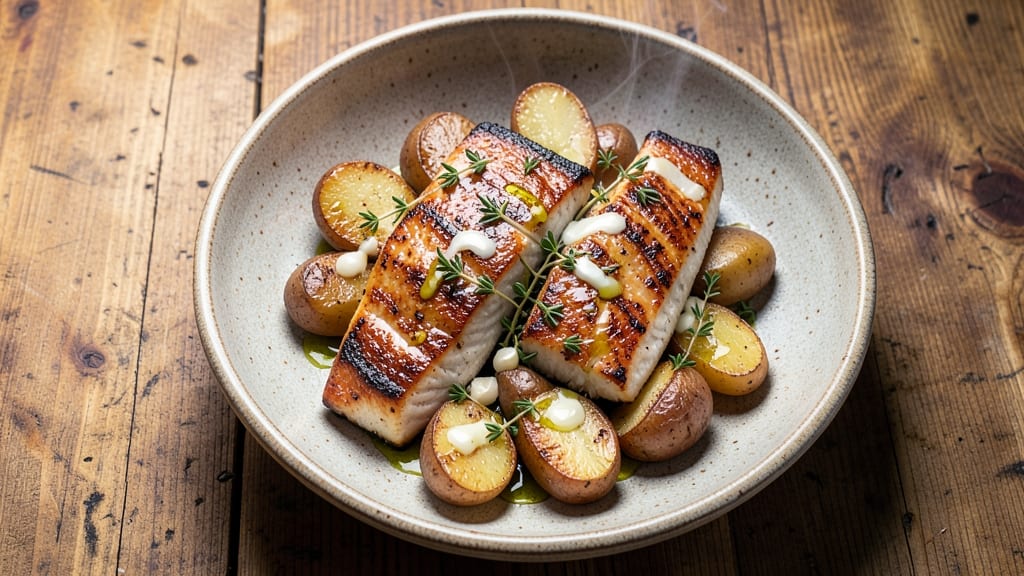
This baked halibut with potatoes recipe delivers restaurant-quality results in a single pan, where perfectly crispy fish meets buttery, golden spuds. The secret lies in a precise balance of heat and seasoning—halibut develops a delicate crust while potatoes roast evenly beneath it.
I’ve perfected this method after years of testing, ensuring every bite delivers both texture and flavor without compromise.
The beauty of this dish is its simplicity: just four core ingredients transform into a complete meal with minimal effort. Halibut stays tender and flaky, its skin crisped to a golden finish, while potatoes absorb butter and herbs until they’re tender and caramelized at the edges.
No complicated techniques—just precise timing and a hot oven to create a dish that feels indulgent yet effortless.
What you’ll end up with is a plate that’s as visually appealing as it is delicious—crispy halibut resting atop fluffy, buttery potatoes, all seasoned to perfection.
The aromas alone will have everyone gathering around the table, and the first bite confirms why this one-pan wonder belongs in any seafood lover’s rotation. Ready to try it?
This recipe works equally well as a weeknight dinner or a special occasion meal, with optional additions like fresh herbs or a squeeze of lemon to elevate it further.
The flexibility makes it perfect for pescatarians and seafood enthusiasts alike, while the one-pan approach keeps cleanup to a minimum. Let’s get started!
Ingredients for baked halibut and potatoes
Four core ingredients transform into a restaurant-worthy seafood meal with minimal effort.
| Ingredient | Amount | Notes |
|---|---|---|
| Halibut Fillets 🐟 | 4 whole | Skin-on, 6-8 oz each |
| Baby Potatoes 🥔 | 1 ½ lb | Halved, unpeeled variety |
| Unsalted Butter 🧈 | ½ cup | Melted, full-fat preferred |
| Fresh Thyme Leaves 🌿 | ¼ cup | Chopped, stems removed |
| Garlic Cloves 🧄 | 4 cloves | Minced, fresh preferred |
| Extra-Virgin Olive Oil 🫒 | 2 tbsp | For drizzling on potatoes |
| Sea Salt 🧂 | 1 ½ tsp | Kosher or fine grain |
| Freshly Ground Black Pepper 🌶️ | ½ tsp | Coarsely ground |
| Lemon Zest 🍋 | 1 tsp | From 1 large lemon |
| Fresh Lemon Juice 🍋 | 1 tbsp | For finishing |
The halibut is non-negotiable for this dish—look for fresh, skin-on fillets with a vibrant color and firm texture. Whole Foods or local fish markets often carry the best quality, but most grocery stores stock halibut that works fine if it’s fresh. Avoid fillets with a fishy smell or dull color. Baby potatoes are ideal because they cook evenly, but Yukon Golds or red potatoes work just as well. For the butter, European-style brands like Plugrá or Kerrygold add richness, but any good-quality unsalted butter will do. The thyme should be bright green and fragrant—if it smells weak, it’s past its prime.
No fresh thyme? Dried thyme at one-third the amount works in a pinch, though fresh is ideal. Substituting olive oil for butter on the potatoes? Use the same quantity but add a splash of water to help them crisp. For the garlic, jarred minced garlic saves time, but fresh minced has more flavor. If you can’t find halibut, cod or haddock work similarly, though texture may vary slightly. The lemon zest can be pre-grated for convenience, but freshly zested adds the brightest flavor. Prefer a different herb? Rosemary or parsley both pair beautifully with halibut.
This dish reheats beautifully—store leftovers in an airtight container for up to 3 days. The halibut stays moist when reheated gently, while the potatoes may lose some crispiness. For best results, reheat covered at 300°F for 10-15 minutes. The butter and herbs can be prepped ahead and stored in the fridge for up to 2 days, making this a great make-ahead meal. If you’re serving a crowd, double the recipe—the one-pan method scales perfectly. Garnish with extra lemon zest or fresh herbs just before serving for the freshest presentation.
Why You'll Love This Recipe
- One-Pan Magic: I swear by this for nights when I’d rather not scrub a sink—just toss the halibut and baby potatoes on a sheet pan, drizzle with butter and garlic, and let the oven do the work. The potatoes caramelize right alongside the fish, so you’re left with one dish, one cleanup.
- Herb-Crusted Perfection: That crispy thyme-and-butter crust on the halibut? It’s the kind of flavor that makes you pause mid-bite. The garlic infuses into the potatoes until they’re tender and aromatic, and honestly, the combo feels like a fancy restaurant dish without the fuss.
- Weeknight to Dinner Party: Between us, this is my go-to when I need something fast but still impressive. For a crowd, just double the potatoes and halibut—it’s foolproof. And if you’re prepping ahead? The potatoes hold up beautifully, so I often roast them first and finish with the fish later.
- Budget-Friendly Luxury: Halibut is leaner on the wallet than you’d think, and baby potatoes are a steal. The butter and thyme stretch the flavor so well that it feels indulgent, but the cost adds up to less than half of what a restaurant would charge. Plus, leftovers reheat like a dream—crispy edges and all.
Step-by-step instructions for baked halibut with potatoes
This method delivers perfectly crispy halibut skin and tender potatoes in one simple baking process.
Prepare the Potatoes and Halibut
Preheat your oven to 425°F for optimal crispiness. While it heats, rinse the 1.5 lb baby potatoes under cold water and pat them completely dry with a clean kitchen towel. Halve each potato lengthwise, ensuring they're uniform in size for even cooking.
In a large bowl, toss the halved potatoes with 2 tbsp extra-virgin olive oil, 1 tsp sea salt, 0.5 tsp freshly ground black pepper, and 0.25 cup chopped fresh thyme leaves. Spread them evenly on a parchment-lined baking sheet, cut-side down, and roast for 15 minutes. This initial roast creates a foundation for flavor and texture.
While the potatoes roast, pat the 4 whole halibut fillets dry with paper towels—moisture is the enemy of crispy skin. Season both sides generously with 0.5 tsp sea salt and 0.25 tsp freshly ground black pepper. Arrange the fillets skin-side down on a separate parchment-lined baking sheet.
Create the Herb Butter Mixture
In a small bowl, combine the 0.5 cup melted unsalted butter, 1 tsp lemon zest, 4 minced garlic cloves, and remaining 0.5 tsp sea salt. Stir until well blended. This herb butter will infuse the halibut with bright citrus and aromatic garlic while keeping the fish moist.
Remove the potatoes from the oven and flip them cut-side up. Arrange the halibut fillets skin-side up on the same baking sheet as the potatoes, spacing them evenly. Spoon the herb butter mixture evenly over the halibut, ensuring each fillet gets a generous coating. The butter should pool slightly around the edges.
Return both the potatoes and halibut to the oven and bake for 12-15 minutes. You'll know the halibut is ready when the skin turns deep golden brown and crispy, and the flesh flakes easily with a fork. The potatoes should be fork-tender with slightly crispy edges.
Finish and Serve
Remove the baking sheet from the oven and carefully transfer the halibut fillets to serving plates. Drizzle each fillet with 1 tbsp fresh lemon juice and sprinkle with an additional pinch of freshly ground black pepper. The acidity brightens the flavors and cuts through the richness of the butter.
Return the potatoes to the oven for 2-3 minutes if they need additional browning, then serve them alongside the halibut. The potatoes should be tender with a slightly crispy exterior, and the halibut should have a crispy skin that contrasts perfectly with the moist, flaky flesh underneath.
This one-pan technique ensures everything cooks evenly while delivering that coveted crispy texture on both the potatoes and halibut skin. The herb butter creates a flavorful crust that seals in moisture, making each bite delicious.
Pro Tips For Making Baked Halibut And Potatoes
- Parboil Potatoes First: Toss the baby potatoes in cold water for 5 minutes before baking—this evens out cooking and keeps them from turning to mush. I learned this the hard way after serving rubbery potatoes that looked like they’d been microwaved instead of baked.
- Salt the Halibut Generously: Halibut absorbs salt like a sponge, so don’t skimp—sprinkle both sides with flaky salt before adding butter and herbs. My grandmother swore by this, and she was right: the seasoning sticks better and the fish stays juicy.
- Don’t Overcrowd the Pan: Space the halibut fillets at least ½ inch apart so the butter pools and crisps into a golden crust. I used to cram them in like sardines, and the result was sad, soggy fish—no one wants that.
- Use Room-Temp Butter: Take the unsalted butter out of the fridge 15 minutes before baking so it melts evenly into a glossy, flavorful sauce. Cold butter clumps and won’t coat the potatoes or fish properly—trust me, it’s a game-changer.
Wine and beer pairings for baked halibut and potatoes
Crisp White Wine
The delicate, buttery richness of this dish pairs beautifully with a Sauvignon Blanc from New Zealand or a Pinot Grigio from Italy. The bright acidity and citrus notes cut through the butter and halibut, cleansing your palate between bites.
I love the Kim Crawford Sauvignon Blanc—its crisp finish mirrors the lemon zest in the recipe. 🍷
Light Red Option
For those who prefer red, a Pinot Noir from Oregon or Burgundy adds subtle earthiness that complements the thyme and garlic. Look for a Domaine Serene Pinot Noir—its silky texture and red fruit flavors won’t overpower the halibut’s delicate flavor. Serve slightly chilled to enhance its freshness.
Beer Pairings
A crisp lager like Peroni or Stella Artois works surprisingly well, balancing the richness with its effervescence. For craft beer lovers, try a Belgian Witbier such as Hoegaarden—its coriander and citrus notes echo the lemon in the dish.
Avoid heavy stouts or IPAs that might clash with the delicate seafood flavors.
Sparkling Alternative
For a celebratory touch, a dry sparkling wine like La Crema Brut or even a chilled Prosecco adds a festive lift. The bubbles help refresh your palate, making each bite of crispy halibut feel like a special occasion. I often serve this pairing when hosting dinner guests—it’s a crowd-pleaser. ✨
Non-Alcoholic Match
Don’t overlook sparkling water with a lemon twist—it’s refreshing and enhances the dish’s citrusy brightness. For something more substantial, try ginger beer (like Feather’s)—the spicy kick complements the thyme and garlic beautifully. It’s a great option for drivers or those avoiding alcohol.
Nutrition facts
Frequently asked questions
Can I use frozen halibut for this recipe?
Fresh halibut works best for crispy skin, but you can use frozen if thawed properly. Place the fillets in a sealed bag and submerge in cold water for 30 minutes per inch of thickness. Pat completely dry before seasoning—any moisture will prevent crispiness. Avoid thawing at room temperature, which can dry out the fish.
What if my halibut skin isn't crispy?
Crispy skin requires dry fish and high heat. First, ensure your oven is fully preheated to 425°F and pat the halibut bone-dry with paper towels. For extra crispiness, broil for 1-2 minutes at the end (watch closely to avoid burning). If it's still soft, try baking on a wire rack over a baking sheet to allow air circulation.
Can I make this ahead of time?
Yes! Assemble everything except the final lemon juice and serve immediately for best texture. The potatoes and halibut can be prepped and refrigerated for up to 4 hours before baking. For leftovers, store in an airtight container for 2 days—reheat gently at 300°F for 10 minutes to maintain moisture.
What's the best potato substitute?
Baby potatoes are ideal, but Yukon Golds or red potatoes work too—just cut them into 1-inch chunks for even cooking. Avoid russets (they're too starchy) or fingerlings (they're too small). For extra flavor, try adding 1/2 tsp smoked paprika to the potato mix before roasting.
How do I know when halibut is fully cooked?
Halibut is done when it reaches an internal temperature of 145°F and flakes easily with a fork. The skin should be deep golden brown and crisp. For visual confirmation, the flesh should appear opaque (no translucent edges). Overcooking can make it dry, so remove it just before it reaches 145°F if needed.