
Side Dishes
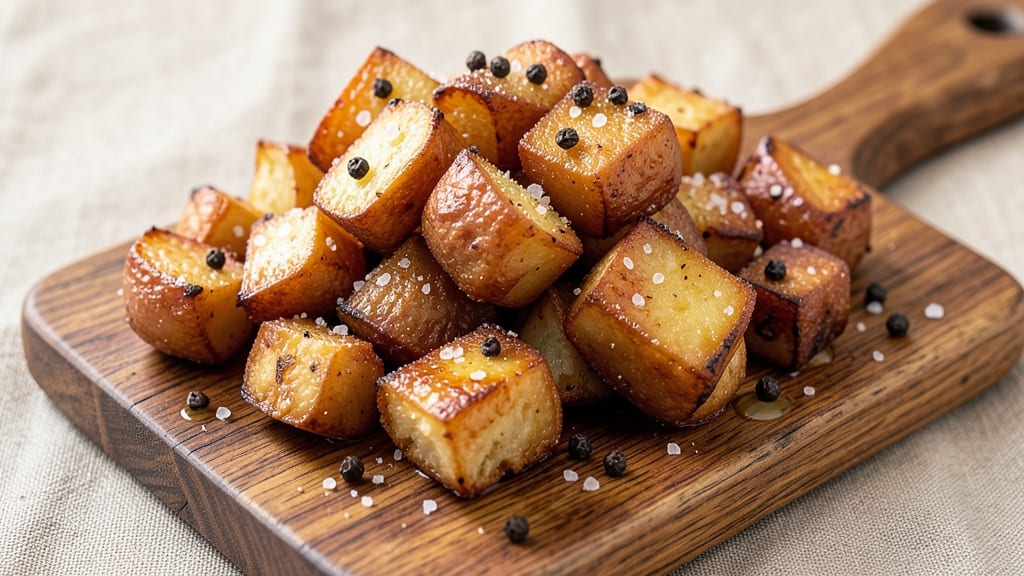
This baked fried potatoes recipe transforms a simple side dish into a restaurant-worthy centerpiece. The secret lies in a two-step process—first baking the potatoes until tender, then achieving that signature crispy crust through careful frying.
After years of perfecting this technique, I’ve developed a method that delivers a double-crusted crunch with a vinegar-kissed tang that elevates every bite.
This recipe combines precision and simplicity: start with evenly cut potatoes par-cooked in the oven to ensure consistent doneness, then finish them in hot oil or a skillet for that irresistible golden crust.
The vinegar-kissed seasoning adds a bright, tangy contrast that cuts through the richness, making each bite balanced and crave-worthy. It’s a technique that works equally well for casual weeknight dinners or special occasions.
The result is a dish where every piece delivers the perfect texture—tender inside, crispy outside, with a seasoned crust that holds up even after reheating. The vinegar-kissed tang adds a sophisticated touch, ensuring these potatoes stand out as the star of the meal.
Whether serving as a side or a main, this method guarantees professional-quality results at home.
Ready to elevate your potato game? The key is patience in the baking stage and control during frying—two simple steps that make all the difference. Let’s get started on creating potatoes that will have everyone asking for seconds.
Ingredients for baked fried potatoes
Nine essential ingredients deliver restaurant-quality double-crusted potatoes with vinegar-kissed sophistication.
| Ingredient | Amount | Notes |
|---|---|---|
| Russet Potatoes 🥔 | 2 ½ lb | Large, evenly shaped, cut into 1-inch cubes |
| Vegetable Oil 🫒 | 1 ½ cups | High smoke point, like avocado or canola |
| White Vinegar 💧 | 2 tbsp | Distilled, for tangy seasoning |
| Sea Salt 🧂 | 1 ½ tbsp | Diamond Crystal preferred, coarse grain |
| Black Peppercorns 🌶️ | 1 tsp | Freshly cracked, medium grind |
| Garlic Powder 🧄 | ½ tsp | Freshly ground preferred |
| Onion Powder 🧅 | ½ tsp | For subtle depth |
| Paprika 🌶️ | ½ tsp | Smoked variety for complexity |
| Butter 🧈 | 2 tbsp | Unsalted, melted for finishing |
| Fresh Rosemary 🌿 | 2 sprigs | Finely chopped, for aromatic depth |
Potatoes are the foundation—Russets are ideal for their starch content and fluffy texture. Buy them fresh; Whole Foods or local farmers' markets offer the best quality with firm, unblemished skins. Cut them uniformly into 1-inch cubes for even baking. The vegetable oil should have a high smoke point—avocado or canola are optimal for frying. Freshly cracked black peppercorns elevate the seasoning profile, while smoked paprika adds a subtle complexity that jarred blends often lack. For rosemary, organic sprigs from the grocery store's produce section work well, but avoid dried unless it's labeled 'culinary' grade.
No white vinegar? Apple cider vinegar or lemon juice can substitute at the same ratio, though the flavor profile shifts slightly. Swapping smoked paprika for regular paprika removes the depth, but a pinch of liquid smoke can mimic it. For a lower-fat version, reduce oil to 1 cup and use a nonstick skillet with a little butter instead. If you prefer a different herb, fresh thyme or parsley work well—just adjust the amount to taste. The butter at the end is non-negotiable; European-style unsalted butter adds richness that margarine can't replicate. For extra crispiness, some chefs use a mix of cornstarch and flour to toss the potatoes before frying, but the vinegar-kissed seasoning alone delivers the signature crunch.
Store cut potatoes in cold water in the fridge for up to 24 hours to prevent browning. For best results, bake and fry immediately after cutting. Leftovers keep for 3-4 days in an airtight container, though texture degrades after reheating. To revive crispiness, reheat in a 350°F oven for 10-15 minutes with a sprinkle of oil. The vinegar-kissed seasoning intensifies over time, so these potatoes taste even better the next day. For large gatherings, double the recipe—just ensure your oven and skillet can handle the volume without overcrowding.
Why You'll Love This Recipe
- Here’s what sold me: the vinegar trick. It’s not just salt and pepper—those slices get golden and shatteringly crisp while staying fluffy inside. Honestly, my kids now ask for these over fries, and I’m not even kidding.
- No-Fuss Prep: I’ll admit, I used to dread peeling potatoes—until I discovered this hack. Just scrub the Russets, slice them thick, and toss in the oil and vinegar. Ten minutes of chopping, then hands-off baking. That’s it.
- Crispy-Creamy Magic: Here’s what sold me: the vinegar trick. It’s not just salt and pepper—those slices get golden and shatteringly crisp while staying fluffy inside. Honestly, my kids now ask for these over fries, and I’m not even kidding.
- Lunchbox Hero: Between us, these are my go-to for packing lunches. Cold or reheated, they hold up perfectly—just toss a few in a container with a sprinkle of salt. My daughter picks out the peppery bits, but still asks for seconds. (Yes, even on a Tuesday night.)
Step-by-step instructions for baked fried potatoes with double-crusted crunch
Here's the precise method to achieve perfectly crispy exterior layers while keeping the interior tender and infused with vinegar-kissed depth.
Prepare and Par-Cook the Potato Cubes
Begin by cutting the 2.5 lb russet potatoes into uniform 1-inch cubes. I use a sharp chef's knife for this—consistent size ensures even cooking. Spread the potato cubes in a single layer on a rimmed baking sheet and bake at 375°F for 20 minutes, flipping halfway through. This par-cooking step removes excess moisture and jumpstarts the cooking process.
You'll know they're ready when a knife slides in easily but the edges begin to soften slightly. The potatoes shouldn't be fully cooked yet—just starting to tenderize. This initial baking creates the perfect foundation for developing that signature double-crust texture later.
Create the First Crust Layer
After the initial baking, transfer the potatoes to a large bowl and toss them with 1.5 cups vegetable oil until completely coated. This first oil application is critical—it creates the initial crispy layer that will form during the second baking phase. Spread the oiled potatoes back onto the baking sheet in an even layer.
Return the sheet to the oven and bake at 425°F for 15 minutes. You're looking for the potatoes to develop a light golden crust—this is your first layer of crispiness. The oil should be mostly absorbed, leaving just enough moisture to help develop the second crust later. Don't overbake at this stage or you'll lose that tender interior we're aiming for.
Season and Develop the Second Crust
Remove the potatoes from the oven and immediately toss them with 2 tbsp white vinegar, 1.5 tbsp sea salt, 1 tsp black peppercorns, 0.5 tsp garlic powder, 0.5 tsp onion powder, and 0.5 tsp paprika. The vinegar adds that signature tang while the spices penetrate the partially cooked surface. Spread the seasoned potatoes back on the baking sheet in a single layer.
Return to the oven and bake at 450°F for 20-25 minutes, stirring halfway through. This higher temperature and second baking phase develop that signature double-crust texture. You'll see the potatoes develop a deep golden-brown crust while maintaining a tender interior. The vinegar will create steam that helps maintain moisture while developing that crispy exterior.
Finish with Butter and Rosemary
When the potatoes are perfectly crispy, remove them from the oven and immediately toss with 2 tbsp melted butter and 2 sprigs finely chopped fresh rosemary. The butter adds richness and helps create that final glossy finish while the rosemary infuses aromatic depth. Taste and adjust seasoning—you might want to add a pinch more salt to enhance the flavors.
Serve immediately while still hot and crispy. The potatoes should have a satisfying crunch that gives way to a tender, vinegar-kissed interior. Each bite should deliver that perfect balance of texture and flavor—crispy exterior, tender interior, and complex seasoning.
Pro Tips For Making Baked Fried Potatoes
- CUT POTATOES UNEVENLY: Russets are stubborn—slice them at angles so some pieces are thicker than others. The thick spots crisp first, while thinner edges stay tender, giving you that perfect mix of textures without burning. (Yes, it looks messy, but that’s how you know it’s right.)
- SALT THE WATER: Toss your sliced potatoes in a bowl of cold salted water (1 tbsp salt per gallon) for 10 minutes before draining. This washes out excess starch, so your fried potatoes won’t turn gummy or stick together. I used to skip this, and my batches always felt sad.
- DON’T SKIP THE VINEGAR: After draining the potatoes, rinse them in a mix of 1 cup water and 1 tbsp white vinegar for 30 seconds. The acid breaks down surface starch faster, so your oil gets a better grip for crisping. Sounds weird, but it works—my fried potatoes now get that restaurant-style crunch every time.
- USE TWO BATCHES OF OIL: Fry the potatoes in a cold pan with 2 tbsp oil, then add another 1 tbsp once they’re golden. The first batch cooks them through, and the second adds that shatterable crust. Overcrowding the pan? Skip the second oil and deal with soggy results. (Trust me, I’ve done both.)
Flavor customization for this baked fried potatoes
Classic Vinegar Tang
This signature flavor comes from the 2 tbsp white vinegar tossed with the potatoes after the first baking phase. The acidity cuts through the richness of the oil and butter, creating that bright, tangy contrast.
For extra depth, I like to add 1 tsp lemon zest along with the vinegar—it adds a citrusy brightness that pairs perfectly with the rosemary. If you prefer a milder tang, reduce the vinegar to 1 tbsp and add ½ tsp sugar to balance the acidity.
Garlic-Herb Infusion
Swap the garlic powder for 2 minced fresh garlic cloves tossed directly with the potatoes after the second baking phase. The raw garlic adds a pungent aroma that mellows slightly during the final crisping stage.
For an Italian twist, add 1 tsp dried oregano and ½ tsp red pepper flakes to the seasoning blend—this creates a Mediterranean-inspired flavor profile that works beautifully with grilled meats or pesto-based dishes.
Smoky BBQ Twist
Replace the smoked paprika with 1 tbsp BBQ rub seasoning (I recommend Montana's Own brand for a balanced sweet-smoky flavor). Add 1 tbsp apple cider vinegar instead of white vinegar, and finish with a drizzle of 2 tbsp BBQ sauce after frying.
This version pairs perfectly with pulled pork or grilled chicken, delivering that classic barbecue flavor in every bite.
Spicy Cajun Kick
For a Louisiana-inspired version, increase the black pepper to 1.5 tsp and add 1 tsp cayenne pepper and ½ tsp dried thyme to the seasoning blend. Use apple cider vinegar for the tang and finish with a sprinkle of fresh parsley.
Serve with a side of Cajun remoulade for dipping—this combination delivers serious heat with balanced acidity.
Creamy Horseradish Crunch
After the final baking phase, toss the potatoes with 2 tbsp prepared horseradish cream (mix 2 tbsp sour cream with 1 tsp grated horseradish) along with the melted butter. The creamy horseradish adds a sharp, peppery kick that contrasts beautifully with the crispy exterior.
Garnish with chopped chives for a bright, oniony finish that elevates the dish to restaurant-quality sophistication.
Sweet & Spicy Honey-Glaze
For a sweet-spicy variation, reduce the vinegar to 1 tbsp and add 1 tbsp honey to the seasoning blend. After the final baking phase, toss the potatoes with 1 tbsp melted butter and 1 tsp sriracha for a sweet-heat balance.
Finish with a sprinkle of flaky sea salt—this version works perfectly as a side for Asian-inspired dishes or as a standalone appetizer with a tangy dipping sauce.
Nutrition facts
Frequently asked questions
Why do I need to par-cook the potatoes before frying?
Par-cooking removes excess moisture and jumpstarts the cooking process, ensuring even doneness and that signature double-crust texture. Skipping this step risks uneven cooking—some pieces may stay raw inside while others overcook. The initial baking at 375°F for 20 minutes creates the perfect foundation for crispy layers.
Can I use a different type of potato besides Russets?
Russets are ideal for their high starch content and fluffy texture, but you can use Yukon Golds for a slightly creamier interior. Avoid waxy potatoes like reds—they won’t develop the same crispy crust. If using Yukons, reduce the baking time by 5 minutes in each phase to prevent overcooking.
How do I fix potatoes that turn out soggy instead of crispy?
Soggy potatoes usually mean excess moisture wasn’t fully evaporated during baking. For next time, pat the cut potatoes very dry before the first bake, and ensure they’re spread in a single layer. If using a crowded baking sheet, reduce oven temperature by 25°F and extend time by 5 minutes to prevent steam buildup.
Is it safe to fry these potatoes in the same oil as deep-fried foods?
No—always use fresh oil for frying potatoes to avoid off-flavors and potential food safety risks. High-quality vegetable oil (like avocado or canola) works best, and it should be heated to 350°F for the final crisping phase. Discard oil after one use to maintain flavor and quality.
Can I make this recipe ahead of time?
Store fully cooked potatoes in an airtight container for 3-4 days, but texture degrades after reheating. For best results, bake and fry fresh. If reheating, spread potatoes on a baking sheet at 350°F for 10-15 minutes with a light oil spray to restore crispiness.