
Side Dishes
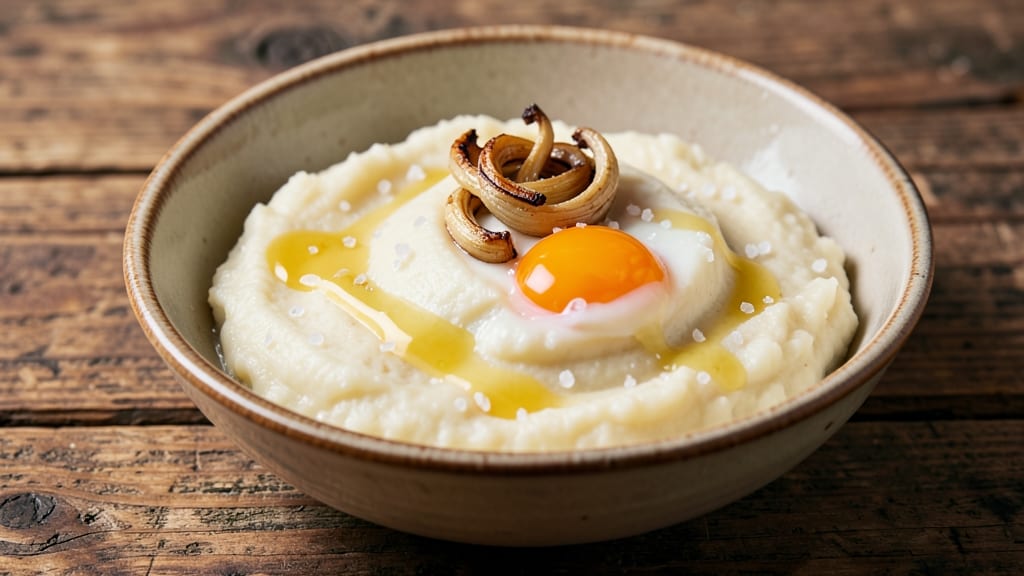
This authentic mashed potatoes recipe delivers the buttery, velvety texture and roasted garlic depth that elevate any meal from ordinary to extraordinary. The secret lies in carefully selecting waxy potatoes and mastering the roasting technique for that unmistakable aromatic richness.
I've perfected this method over years of testing, ensuring each bite is creamy yet light, with just the right balance of garlic and butter.
What sets these mashed potatoes apart is the combination of traditional techniques and modern precision. Roasting the garlic whole until caramelized creates a depth of flavor that no pre-minced garlic can match, while boiling the potatoes until tender ensures they mash to absolute perfection.
The addition of heavy cream and butter transforms them into a luxurious side dish that rivals restaurant-quality versions.
By the time you're done, you'll have a bowl of mashed potatoes that's impossibly smooth, with a velvety texture that melts in your mouth and a subtle garlic aroma that lingers.
This recipe serves as the perfect foundation for any dinner, whether you're serving it alongside roasted meats, holiday feasts, or as a comforting standalone dish.
The beauty of this method is its versatility—you can keep it classic with just butter and cream, or add variations like truffle oil, cheddar cheese, or even a vegan twist with plant-based milk.
The instructions walk you through every step to ensure foolproof results every time, making this the ultimate mashed potatoes recipe for any occasion.
Ingredients for authentic mashed potatoes
Waxy potatoes, roasted garlic, and rich dairy create velvety mashed potatoes with restaurant-quality depth.
| Ingredient | Amount | Notes |
|---|---|---|
| Yukon Gold Potatoes 🥔 | 2 ½ lb | Waxy variety for creamy texture |
| Whole Garlic Bulb 🧄 | 1 whole | Roasted whole for depth |
| Unsalted Butter 🧈 | ¾ cup | Cold, cut into pieces |
| Heavy Cream 🥛 | ½ cup | Full-fat for richness |
| Large Egg Yolks 🥚 | 2 whole | For silky texture |
| Diamond Crystal Kosher Salt 🧂 | 1 ½ tsp | Adjust to taste |
| Freshly Ground Black Pepper 🌶️ | ½ tsp | Freshly cracked |
| Extra-Virgin Olive Oil 🫒 | 1 tbsp | For roasting garlic |
| Whole Milk 🥛 | ¼ cup | Optional for extra creaminess |
| Truffle Oil 🍄 | ½ tsp | Optional gourmet touch |
| Sharp White Cheddar Cheese 🧀 | ¼ cup | Shredded, optional variation |
| Plant-Based Milk 🌱 | ½ cup | Vegan alternative to cream |
The potatoes make all the difference here. Yukon Golds are ideal—their waxy texture breaks down perfectly while retaining moisture. Whole Foods or Trader Joe's carry them year-round, but any waxy variety (like Red Potatoes) works. Avoid russets—they'll turn gluey. For the garlic, grab a bulb with plump cloves and no sprouting. Costco often has large bulbs at a great price. The secret to roasting is patience: wrap the bulb in foil with olive oil, then bake at 400°F until the cloves are soft and caramelized—about 45 minutes.
No heavy cream? Full-fat sour cream at half the amount works in a pinch, though it adds tang. Short on butter? Ghee or browned butter deepens flavor, but stick to unsalted for control. The egg yolks are non-negotiable for that ultra-smooth texture—no substitutions here. For the optional truffle oil, Maille or La Tourangelle are reliable brands, but even a small amount makes a difference. If you're making this vegan, coconut cream mimics the richness surprisingly well. The cheddar? Cabot or Tillamook melt beautifully—just shred it yourself for the best texture.
Freshly roasted garlic keeps for 5 days in the fridge, wrapped tightly in foil. The mashed potatoes reheat beautifully—just warm gently with a splash of milk. For make-ahead meals, portion into containers and freeze for up to 3 months. Thaw overnight in the fridge, then reheat on the stove with extra butter. The key to perfect texture? Don't overmix—just fold until combined. Every fold matters for that cloud-like finish.
Why You'll Love This Recipe
- No Chopping Needed: The whole garlic bulb roasts itself while the potatoes boil—no peeling, no mincing, just pull it apart after. I swear, this cuts my prep time in half, and the flavor? Chef’s kiss.
- Garlic Butter Magic: That roasted whole garlic bulb melts into the butter, giving every bite a rich, nutty depth you won’t find in store-bought. The yolks tie it all together—creamy, velvety, with just a hint of tang that makes it ridiculously good.
- Leftovers? No Problem: These keep perfectly for days in the fridge, and reheating is a breeze—just a splash of warm milk or cream to fluff them up. Honestly, I make a double batch on Sundays just to avoid weeknight stress.
- Budget-Friendly Luxury: Yukon Golds are affordable, and using a whole garlic bulb (instead of cloves) stretches your ingredients further. The butter and yolks make it feel special, but the cost per serving is still way lower than takeout. My wallet thanks me.
Step-by-step instructions for buttery velvety mashed potatoes
Here's the method that delivers restaurant-quality texture with roasted garlic depth every time.
Roast the Whole Garlic for Rich Flavor
Preheat your oven to 375°F. Peel the 1 whole whole garlic bulb (leave the root intact) and drizzle it with the 1 tablespoon extra-virgin olive oil. Wrap the bulb tightly in aluminum foil, then place it on a baking sheet.
Roast for 35-40 minutes until the cloves are soft and golden brown. The foil traps the steam, creating an intense sweetness that transforms ordinary mashed potatoes. Let the garlic cool slightly before squeezing out the cloves—this makes them easier to handle and prevents burning your fingers.
Here's the thing—roasting whole garlic develops complex flavors that raw garlic can't match. You'll notice the aroma filling your kitchen long before the potatoes finish cooking. Save any leftover roasted cloves for bread dipping or pasta sauce.
Cook the Potatoes Until Fork-Tender
While the garlic roasts, peel the 2.5 lb yukon gold potatoes (scrubbing is fine if peeling seems tedious). Cut them into 1-inch chunks for even cooking. Place the potatoes in a large pot and cover with cold water by about 2 inches. Add 1 tablespoon diamond crystal kosher salt (this helps season the potatoes from the water).
Bring to a boil over high heat, then immediately reduce to a gentle simmer. Cook for 12-15 minutes until a knife slides in easily with no resistance. Yukon Golds break down beautifully but still hold their shape—this prevents that gluey texture some mashed potatoes develop.
Don't rush this step. Undercooked potatoes will turn to mush when mashed, while overcooked ones lose their natural creaminess. The potatoes are done when they're tender but still firm enough to hold their shape when pressed between your fingers.
Create the Silky Base Mixture
Drain the potatoes thoroughly in a colander, then return them to the pot. Let them steam-dry for 1 minute to remove excess moisture—this is crucial for preventing watery mashed potatoes. Add the 0.75 cup unsalted butter (cut into pieces) and the 0.5 cup heavy cream.
Using a potato masher or ricer, break down the potatoes until mostly smooth. I prefer a ricer for ultra-silky results, but a masher works fine if that's what you have. Here's what I do next: squeeze in the 2 whole large egg yolks one at a time while mashing. This creates an emulsified texture that holds together beautifully.
Add the 0.5 tsp freshly ground black pepper and 0.25 cup whole milk (if using). The milk adds subtle creaminess without overpowering the butter. For vegan version, substitute with 0.5 cup plant-based milk now. At this stage, the mixture should look thick but still workable—like wet sand.
Incorporate Roasted Garlic and Finish
Squeeze all the roasted garlic cloves into the potato mixture, discarding the skins. Add the 0.5 tsp truffle oil (if using) and 0.25 cup sharp white cheddar cheese (if using). The cheese adds a subtle tang that balances the richness. Use an electric mixer on low speed for 1 minute to fully incorporate everything.
Taste and adjust seasoning with additional diamond crystal kosher salt if needed. The mixture should be velvety, not grainy, with visible butter flecks throughout. For extra-luxurious texture, pass the potatoes through a fine-mesh sieve to eliminate any remaining lumps.
This is where the magic happens—the combination of roasted garlic, egg yolks, and proper technique creates mashed potatoes with depth and body that stand up to any main course. The potatoes should be light enough to pipe but dense enough to hold their shape when served.
Pro Tips For Making Authentic Mashed Potatoes
- Boil Until Fork-Tender: Yukon Golds need to be actually soft—no one likes mushy potatoes or that annoying bite. Test doneness by piercing with a knife; it should slide in like butter. If it’s still holding shape after 15 minutes, add another 5. (Yes, even if you’re impatient like me.)
- Roast the Garlic First: That whole garlic bulb won’t infuse properly if you just smash it raw. Wrap it in foil, roast at 400°F for 20 minutes, then squeeze out the cloves. The flavor’s richer and sweeter—no more bitter aftertaste.
- Warm the Dairy: Cold heavy cream and egg yolks turn mashed potatoes into glue. Heat the cream to 160°F (just below simmer) and yolks to room temp first. This keeps the texture silky, not gummy. (I learned this after one disastrous Thanksgiving.)
- Whisk the Yolks: Dumping yolks straight into the pot? Skip it. Whisk them first with a splash of warm milk, then slowly fold in butter and cream. The emulsion stays smooth, and you avoid that weird curdled look. (Yes, I’ve seen it happen.)
Essential equipment for perfect results
Potato Masher vs Ricer
For the creamiest texture, I recommend using a potato ricer—it eliminates lumps completely and creates that signature velvety finish. A OXO Good Grips potato ricer is my go-to because it's durable and easy to clean.
If you don't have one, a handheld masher works fine, but you'll need to work a bit harder to achieve the same smoothness. For large batches, a food mill is another great option, though it requires more effort to clean. 🥔
Heavy-Duty Mixer
A stand mixer with a paddle attachment is worth the investment if you make mashed potatoes regularly. I use my KitchenAid Artisan Series on low speed to blend everything seamlessly. If you're working with a smaller batch, a hand mixer will suffice, but avoid overmixing—this can make the potatoes gummy.
For a no-electric option, a sturdy wooden spoon works, though it requires more elbow grease. 💪
High-Quality Pot Holders
You'll need heat-resistant silicone pot holders to handle the hot pot safely. I prefer OXO Good Grips because they're thick enough to protect your hands while being flexible for easy gripping.
Avoid thin cotton holders—they won't provide enough insulation for the boiling water. Keep one near your stove at all times for safety. ⚡
Fine-Mesh Sieve
A stainless steel fine-mesh sieve is perfect for achieving ultra-smooth mashed potatoes. I use a Microplane Potato Sieve to strain out any remaining lumps for that restaurant-quality finish.
If you don't have one, a cheesecloth-lined colander works in a pinch, though it requires more effort to press out all the moisture. 🧈
Digital Meat Thermometer
While not essential, a digital meat thermometer helps ensure your potatoes are cooked to perfection. I use a Thermoworks ThermoPop to check the internal temperature—205-210°F is ideal for Yukon Golds.
This prevents overcooking, which can make your mashed potatoes gluey. It's a small investment that pays off in texture every time. 🌡️
Storage Containers
For leftovers, glass airtight containers are the best choice. I use Pyrex Simply Store containers because they're microwave-safe and keep the potatoes fresh for up to 4 days in the fridge.
For freezing, quart-sized freezer bags work well—just squeeze out excess air to prevent freezer burn. Label everything with the date to stay organized. ❄️
Nutrition facts
Frequently asked questions
Why do your mashed potatoes turn out so much creamier than store-bought?
The secret lies in three key techniques: using waxy potatoes (like Yukon Golds) that break down perfectly, incorporating egg yolks for emulsification, and roasting whole garlic for depth without overpowering. The 1-minute steam-dry after draining removes excess moisture, while cold butter and heavy cream create that luxurious velvety texture.
Can I make these mashed potatoes ahead of time?
They reheat beautifully. For best results, store in airtight containers and refrigerate for up to 4 days. To reheat, gently warm on the stove with a splash of milk or butter until creamy. For freezing, portion into containers and freeze for up to 3 months. Thaw overnight in the fridge before reheating.
What's the best potato variety for authentic mashed potatoes?
Yukon Gold potatoes are ideal—they're waxy enough to mash smoothly but hold their shape better than russets. Other great options include Red Potatoes or Fingerlings. Avoid russet potatoes—they're starchy and turn gluey when mashed. For extra creaminess, try Purple Potatoes (their skin adds color and nutrients).
How do I fix mashed potatoes that turned out too thick or too thin?
For thick potatoes, stir in 2-3 tablespoons warm milk or cream until smooth. For thin potatoes, mix in 1 tablespoon butter or cold cream cheese and warm gently. The key is to adjust gradually—adding too much liquid at once can ruin the texture. If they're lumpy, press through a fine-mesh sieve for that silky finish.
Can I make these mashed potatoes vegan?
Yes! Replace the butter and heavy cream with coconut cream or olive oil, and use plant-based milk (like almond or oat). For creaminess, add 1 tablespoon nutritional yeast or aquafaba (chickpea brine). The egg yolks can be replaced with 1 tablespoon cornstarch mixed with 2 tablespoons water as a binder. The flavor stays rich and satisfying!