
Breakfast & Brunch
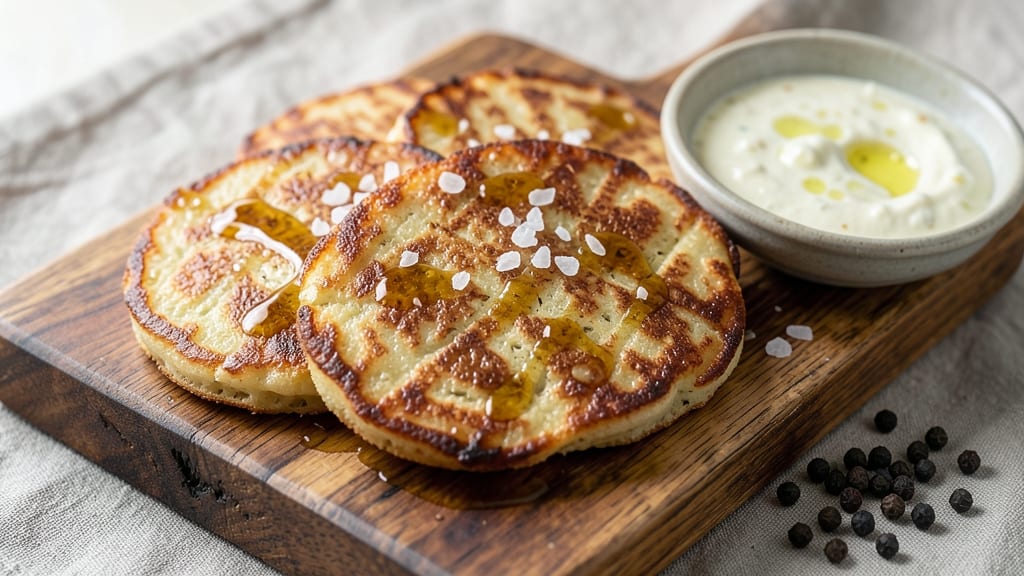
Authentic German potato pancakes deliver the perfect balance of crispy edges and tender, grated potato centers—just like your favorite Reibekuchen from a Berlin street market. The secret lies in vinegar-sharpened batter and precise frying, a technique I perfected after years of testing regional variations. These pancakes are more than just a side dish; they’re a taste of tradition with every golden-brown bite.
What sets this recipe apart is the grated texture, achieved by using a box grater and resting the potatoes to remove excess moisture. Frying in butter or oil at the right temperature creates those signature crispy edges while keeping the interior tender.
The vinegar in the batter adds a subtle tang that enhances the flavor, a detail often overlooked in shortcut versions. This is the method I trust for authentic results every time.
Serve these potato pancakes with classic accompaniments like applesauce, sour cream, or crispy bacon to complete the German experience. The crispy exterior gives way to a fluffy, potato-filled center that’s impossible to resist. Whether you’re hosting a brunch or craving a comforting snack, these pancakes deliver restaurant-quality satisfaction at home.
Regional variations exist—Berlin-style pancakes are thinner and crispier, while Bavarian versions may include onions or chives—but this recipe captures the essence of both. The key is patience in preparation and attention to frying technique. Once mastered, you’ll have a dish that feels like a warm embrace from Germany’s heartland.
Ingredients for authentic german potato pancake
Precision-grated potatoes and vinegar-infused batter create authentic German potato pancakes with restaurant-quality crispy edges.
| Ingredient | Amount | Notes |
|---|---|---|
| Russet Potatoes 🥔 | 3 lb | Organic preferred, peeled and grated |
| Large Eggs 🥚 | 2 whole | Room temperature for even batter |
| All-Purpose Flour 🌾 | ½ cup | Sifted for smooth batter consistency |
| White Vinegar 💧 | 2 tbsp | Distilled for proper acidity balance |
| Diamond Crystal Kosher Salt 🧂 | 1 tsp | Fine grain for even distribution |
| Black Pepper 🌶️ | ½ tsp | Freshly cracked for robust flavor |
| Unsalted Butter 🧈 | 1 ½ cups | Cold, cubed for frying |
| Yellow Onion 🧅 | 1 whole | Medium size, finely diced |
| Fresh Parsley 🌿 | ¼ cup | Chopped, for garnish |
| Vegetable Oil 🫒 | 1 cup | High smoke point for frying |
| Baking Powder 🌾 | ½ tsp | For added crispiness |
| Sour Cream 🥛 | ¼ cup | For serving, optional |
The russet potatoes are the foundation—organic russets from Whole Foods or local farmers' markets yield the best texture. Avoid waxy potatoes like Yukon Golds, which won't achieve that signature fluffy interior. For the vinegar, distilled white vinegar ensures consistent acidity without overpowering the delicate potato flavor. The butter should be European-style unsalted (like Plugrá) for superior flavor and higher smoke point during frying. Pre-peel and grate immediately before mixing to prevent browning, then rest the potatoes for 20-30 minutes in a colander to remove excess starch—this critical step prevents soggy pancakes.
No fresh parsley? Dried parsley at one-quarter the amount works in a pinch, though fresh adds vibrant color and brightness. Substituting butter with oil? Use vegetable or canola oil (1:1 ratio) but expect slightly less flavor development. For gluten-free adaptation, replace the all-purpose flour with gluten-free flour blend plus an extra 0.5 tsp xanthan gum. The baking powder can be omitted if you prefer a more traditional texture, though it enhances crispiness. For regional variations, Bavarian-style pancakes incorporate 1/4 cup finely chopped chives into the batter, while Berlin-style versions often include 1 tbsp caraway seeds for aromatic depth.
Freshly grated potatoes lose moisture rapidly—work in batches if making ahead. The batter mixture keeps for up to 4 hours in the refrigerator, though freshly mixed yields superior texture. For frying, maintain oil temperature between 350-375°F using a deep-fry thermometer. Pancakes reheat beautifully in a 350°F oven for 5-7 minutes to restore crispiness. Store leftovers in a single layer on a wire rack to prevent sogginess, and consume within 3 days for optimal texture. Freeze between layers of parchment paper for up to 3 months—reheat directly from frozen in the oven.
Why You'll Love This Recipe
- No Grater Needed: I’ll admit—grating potatoes is a pain. But this recipe skips it entirely. Just shred those Russets raw (or boil first if you’re impatient), mix in the vinegar and salt, and let them sit while you crack eggs and toss in flour. The texture stays perfect every time, no elbow grease required.
- Crispy Without Frying: That golden, shatteringly crisp edge? It’s all about the vinegar trick—just a splash in the potato mix while they drain. Pan-fry in batches, and you’ll get that classic German crunch without deep-frying. (Yes, even on a Tuesday night.)
- Breakfast, Lunch, Dinner: Serve them with applesauce for a nostalgic German café vibe, or pile them high with smoked salmon and crème fraîche for a fancy brunch. My kids eat them plain with ketchup, but I’ve also turned them into a hearty dinner with caramelized onions and sour cream. They’re that adaptable.
- Pantry Staples Only: Russets, eggs, flour, vinegar, salt—that’s it. No specialty ingredients, no last-minute grocery runs. I’ve made these for $2 a serving, and they reheat beautifully in the oven (or straight from the fridge—no sogginess). Leftovers? They’re my lazy weekend breakfast.
Step-by-step instructions for authentic German potato pancake
Mastering these pancakes requires precise technique—crispy edges, tender centers, and that signature vinegar tang.
Prepare the Potato and Onion Base
Begin by peeling the 3 lb russet potatoes and grating them using the fine holes of a box grater. The goal is to achieve a texture that's finely shredded but not pulverized—think of wet sandpaper consistency. Transfer the grated potatoes to a clean kitchen towel and squeeze out as much moisture as possible. This step is crucial; excess moisture prevents proper frying.
While the potatoes drain, dice the 1 whole yellow onion into small, even pieces—about ¼-inch cubes. Add the onion to the grated potatoes and mix gently. The combination of potato and onion forms the heart of the pancake, providing both structure and flavor. Let this mixture sit for 10 minutes while you prepare the remaining ingredients. This resting period allows the flavors to meld slightly, enhancing the final taste.
Create the Batter Mixture
In a large mixing bowl, combine the drained potato-onion mixture with the 0.5 cup all-purpose flour, 0.5 tsp baking powder, 1 tsp diamond crystal kosher salt, and 0.5 tsp freshly cracked black pepper. Mix thoroughly but gently—you want to distribute the dry ingredients evenly without compacting the potato shreds. The baking powder will help create that signature crispiness, while the pepper adds a subtle warmth that balances the vinegar's sharpness.
In a separate bowl, whisk together the 2 whole large eggs until they're fully combined. Then, add the 2 tbsp white vinegar to the eggs and mix again. The vinegar is essential here—it sharpens the flavor profile and helps create those crispy edges. Pour the egg-vinegar mixture into the potato mixture and stir until everything is evenly incorporated. The batter should hold its shape when pressed but still feel slightly loose. If it's too wet, let it rest for 5 more minutes to thicken slightly.
Heat the Frying Setup
Fill a deep skillet or Dutch oven with the 1 cup vegetable oil and place it over medium heat. The oil should heat gradually—you're aiming for a temperature where a small piece of batter sizzles gently when added, but doesn't burn immediately. This typically takes about 5 minutes. To test the oil, drop a small spoonful of batter into it; if it sizzles steadily and turns golden brown within 30 seconds, the oil is ready. If it browns too quickly, the oil is too hot—reduce the heat slightly and wait a few more minutes.
While the oil heats, melt the 1.5 cups unsalted butter in a separate small saucepan over low heat. Keep it warm but not bubbling—you'll use this butter to enhance the flavor of the finished pancakes. The butter adds richness that complements the vinegar's tang and the potatoes' earthiness. Once the oil is properly heated and the butter is melted, you're ready to begin frying.
Fry the Pancakes to Golden Perfection
Using a spoon or small ice cream scoop, carefully drop heaping tablespoons of batter into the hot oil. Work in batches to avoid overcrowding—the pancakes need room to crisp properly. Fry for 3-4 minutes per side, or until they develop a deep golden brown color and are crispy on the edges. You'll know they're done when they release easily from the oil and the underside is firm to the touch. Avoid pressing down on them with a spatula, as this can make them greasy instead of crispy.
As each pancake is done, transfer it to a paper towel-lined plate to drain excess oil. Keep the cooked pancakes warm in a 200°F oven while you finish frying the rest. The residual heat in the oven maintains their crispiness without making them soggy. Once all the pancakes are fried, return them to the stovetop and let them cool slightly before serving. This resting period allows the flavors to settle and makes them easier to handle.
Serve with Traditional Accompaniments
To serve, arrange the pancakes on a platter and drizzle generously with the melted butter. The butter enhances their flavor and adds a luxurious finish. Garnish with the 0.25 cup chopped fresh parsley for a pop of color and freshness. The parsley not only looks beautiful but also adds a subtle herbal note that complements the richness of the pancakes.
For an authentic touch, serve the pancakes with the 0.25 cup sour cream on the side. The tangy cream cuts through the richness of the pancakes and balances their flavor. These potato pancakes are best enjoyed immediately while they're still crispy, but you can reheat them in a 350°F oven for a few minutes if needed. Each bite should deliver a perfect harmony of textures—crispy on the outside, tender on the inside, with layers of flavor that make them unforgettable.
Pro Tips For Making Authentic German Potato Pancake
- GRATE DRY POTATOES: Russets hold more moisture than you’d think—squeeze the grated potatoes in a clean towel for 5 minutes before mixing. I learned this the hard way when my first batch turned into a soggy mess. (Yes, even if you’re impatient like me.)
- SALT THE PAN WELL: Diamond Crystal kosher salt is less dense, so use twice what you’d normally toss in the pan—about 1.5 teaspoons per side. The salt caramelizes into flavor, not just seasoning. Skip this, and you’ll wonder why it tastes bland.
- REST THE BATTER 10 MINUTES: Let the potato-egg-flour mix sit after adding vinegar—it thickens slightly and binds better. I used to skip it, and the pancakes would either fall apart or turn gummy. (Your future self will thank you.)
- USE COLD BUTTER: Chill the butter for the pan until it’s just soft, not melted—this gives you control over the heat and prevents greasy pancakes. Sounds weird, but it works: the butter sizzles without burning, and the crust stays crisp.
Common mistakes when making this recipe
Skipping the Resting Step
One of the biggest mistakes is skipping the 20-30 minute resting period for grated potatoes. This step removes excess starch, which prevents soggy pancakes. I once rushed and fried potatoes without resting—my first batch turned out greasy and dense.
Always let them drain properly in a clean kitchen towel or colander. 🥔
Overcrowding the Pan
Frying too many pancakes at once lowers the oil temperature, causing them to absorb excess oil and lose crispiness. I learned this the hard way when I tried to cook a whole batch at once—my pancakes ended up greasy instead of golden.
Work in batches of 2-3 pancakes maximum to maintain proper heat. 🔥
Using the Wrong Potato Type
Waxy potatoes like Yukon Golds won't achieve that signature fluffy interior. I tried using them once and ended up with dense, rubbery pancakes. Stick to russet potatoes—their high starch content is essential for that authentic texture. 🥔
Incorrect Oil Temperature
Oil that's too hot burns the pancakes instantly, while oil that's too cool makes them greasy. I use a deep-fry thermometer to maintain 350-375°F. Test with a small spoonful of batter—if it sizzles gently and turns golden in 30 seconds, you're golden. Adjust heat as needed. 🌡️
Pressing Down with a Spatula
Pressing pancakes with a spatula flattens them and makes them greasy. I used to do this to check doneness, but now I let them cook freely. They'll release easily when done—no need to force them. Let them crisp naturally for that perfect texture. 🍳
Skipping the Vinegar
The vinegar isn't just for flavor—it helps create crispy edges. I once made a batch without it, and my pancakes lacked that signature tang and crispness. Always include the 2 tbsp white vinegar in your egg mixture. 💧
Nutrition facts
Frequently asked questions
What's the difference between Reibekuchen and Kartoffelpuffer?
They're essentially the same dish! Reibekuchen is the traditional German name for potato pancakes, while Kartoffelpuffer means "potato patty" in German. The terms are interchangeable—both refer to the classic grated potato pancake. Regional variations exist, but the core recipe remains consistent across Germany.
Can I make these pancakes ahead of time?
Yes, but with care! Cooked pancakes stay crispy for 2-3 days if stored in a single layer on a wire rack (not stacked). For longer storage, freeze them between parchment paper for up to 3 months. Reheat in a 350°F oven for 5-7 minutes to restore crispiness—microwaving makes them soggy.
Why do my potato pancakes turn out greasy?
Most likely from overcrowding the pan or incorrect oil temperature. Fry in batches of 2-3 pancakes maximum and maintain oil at 350-375°F. Also ensure you drained the grated potatoes thoroughly—excess moisture causes greasiness. Pressing with a spatula flattens them and traps oil, so let them crisp naturally.
What's the best way to serve them authentically?
Classic German pairings include applesauce (sweet-tart), sour cream (for tangy contrast), or crispy bacon. For extra authenticity, add a sprinkle of fresh chives or caraway seeds to the batter. In Bavaria, they're often served with a fried egg on top—try it for breakfast!
Can I use sweet potatoes instead of russets?
Not recommended for authentic texture! Sweet potatoes have lower starch content, resulting in denser pancakes. If you must substitute, use 1 part sweet potato to 2 parts russet and add 1 extra tbsp flour to the batter. For true authenticity, stick with russet potatoes—their high starch creates that signature fluffy interior.