
Side Dishes
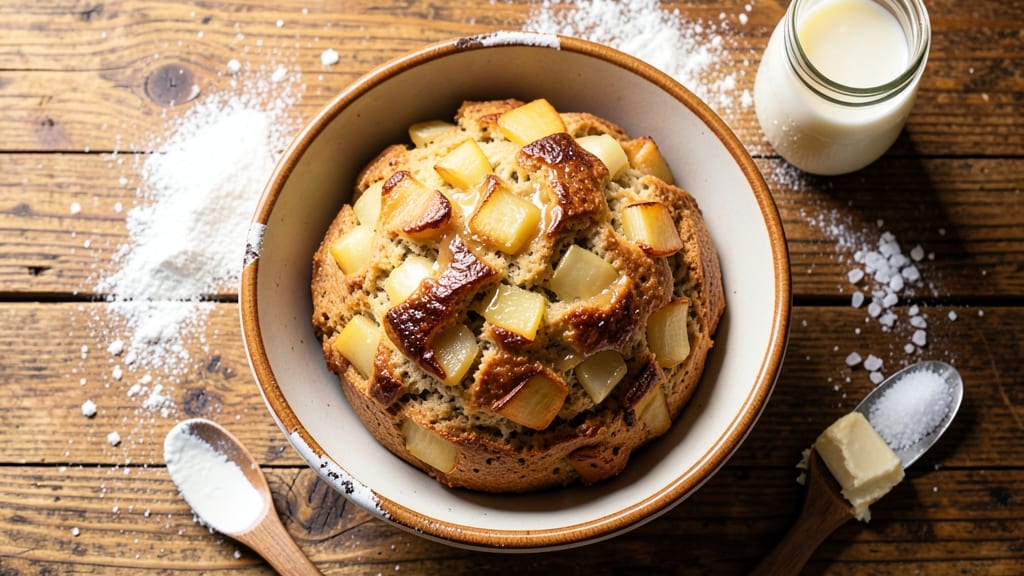
This Amish potato bread recipe delivers the perfect balance of a rustic, golden crust and a tender, potato-infused crumb that makes every slice unforgettable. The secret lies in blending mashed potatoes into the dough, creating a moist yet sturdy texture that holds up beautifully.
I've perfected this technique over years of baking, ensuring the bread stays soft for days while maintaining that classic Amish homestyle flavor.
The recipe begins with a simple dough made from flour, yeast, and warm milk, where the mashed potatoes are incorporated for that signature moisture and subtle sweetness. No fancy equipment is needed—just a mixing bowl, a warm oven, and about 45 minutes of hands-off baking time.
The dough rises naturally, developing a fragrant aroma that fills your kitchen, while the potatoes ensure each slice stays moist and flavorful.
What you'll end up with is a loaf of bread with a crisp, golden crust that gives way to a soft, potato-infused interior—ideal for sandwiches, toast, or serving alongside soups and stews.
The potatoes add just enough natural sweetness to complement savory dishes, while the crust provides the perfect texture contrast. This recipe is designed to be foolproof, even for home bakers new to potato bread.
For added depth, consider incorporating fresh herbs like rosemary or thyme into the dough before shaping, or a touch of garlic powder for extra flavor.
The bread keeps well at room temperature for 3-4 days or can be frozen for up to 3 months, making it perfect for meal prep. Let's get started on creating this timeless classic!
Ingredients for amish potato bread
Eight simple ingredients transform into golden, potato-infused bread with a crust that cracks like homemade magic.
| Ingredient | Amount | Notes |
|---|---|---|
| All-Purpose Flour 🌾 | 4 cups | Spooned and leveled, not packed |
| Instant Yeast 🍞 | 2 ¼ tsp | Not active dry yeast |
| Unsalted Butter 🧈 | ½ cup | Cold, cubed for mixing |
| Whole Milk 🥛 | 1 ¼ cups | Warm to touch, not hot |
| Granulated Sugar 🍚 | ¼ cup | For yeast activation |
| Salt 🧂 | 1 ½ tsp | Kosher or sea salt |
| Mashed Potatoes 🥔 | 1 ½ cups | Instant or homemade, cooled |
| Large Egg 🥚 | 1 whole | Room temperature |
| Fresh Rosemary 🌿 | 2 tbsp | Chopped fine, or 1 tsp dried |
| Garlic Powder 🧄 | 1 tsp | For subtle depth |
| Cornmeal 🌽 | ¼ cup | For dusting baking sheet |
| Egg Wash 🥚 | 1 whole | For golden crust, optional |
The mashed potatoes are the star—instant potatoes work in a pinch (just make sure they're cooled), but homemade is worth it. Bob Evans or Idahoan brand are my go-tos for instant, but any starchy potato will do. For the flour, King Arthur or Gold Medal are my trusty brands—they bake up reliably every time. The yeast? Fresh is best, but instant yeast is non-negotiable for this recipe. Store it in the freezer to keep it potent longer. And that butter? Cold cubes mix better into the dough than softened butter—trust me, it makes all the difference.
No rosemary? Fresh thyme or dried sage at half the amount works beautifully. The garlic powder can be swapped for fresh minced garlic (1 tsp), but it’ll taste more pronounced. Running low on cornmeal? Semolina or fine breadcrumbs do the job just fine. For the milk, warm it to about 110°F—it should feel like bathwater to your wrist. Too hot and you’ll kill the yeast. Too cold and the yeast won’t activate. No thermometer? The milk should feel like a warm hug, not a sauna.
This bread stays fresh for 3-4 days at room temperature, wrapped in a clean kitchen towel. For longer storage, freeze slices on a tray first, then transfer to a bag. Thaw at room temp for that fresh-baked goodness. Pro tip: Brush the warm loaf with melted butter right out of the oven—game changer. And if you’re feeling fancy, sprinkle everything bagel seasoning on top before baking for a savory twist.
Why You'll Love This Recipe
- Here’s what sold me: that touch of sugar in the dough gives it a subtle sweetness that pairs perfectly with savory soups or chili. (Yes, even on a Tuesday night.)
- No-Knead Magic: I swear by this—just mix, let it rise, and bake. The butter and milk work together to make the dough so forgiving, even if I forget to measure perfectly, it still turns out tender and golden.
- Sweet & Savory Flex: Here’s what sold me: that touch of sugar in the dough gives it a subtle sweetness that pairs perfectly with savory soups or chili. (Yes, even on a Tuesday night.)
- Weeknight Workhorse: This bread is my go-to for breakfast toast, sandwiches, or even garlic butter dinners. Honestly, I’ve used it for everything from brunch to picnic lunches without a second thought.
Step-by-step instructions for Amish potato bread
Here's how to create that perfect rustic crust with a tender, potato-infused crumb—every slice will be amazing.
Activate the Yeast and Mix the Dough
In a large mixing bowl, combine the 1.25 cups whole milk and 0.25 cup granulated sugar. Sprinkle the 2.25 teaspoons instant yeast over the top and let it sit for 5 minutes until the mixture becomes foamy. This step ensures your yeast is active and ready to work—you'll know it's working when you see tiny bubbles forming on the surface.
Next, add the 1.5 cups mashed potatoes to the yeast mixture. The potatoes will add moisture and create that signature tender crumb. In a separate bowl, whisk together the 4 cups all-purpose flour, 1.5 teaspoons salt, 1 teaspoon garlic powder, and 2 tablespoons fresh rosemary. Gradually add the dry ingredients to the wet mixture, stirring just until combined. The dough will be sticky, but that's perfect—this texture is what creates that moist, fluffy crumb.
Incorporate the Butter and Knead
Cut the 0.5 cup unsalted butter into small cubes and add them to the dough. Use your hands or a wooden spoon to work the butter into the dough until it's fully incorporated. The butter should be cold enough to hold its shape but soft enough to mix in—this ensures those rich, flaky layers as it bakes.
Turn the dough out onto a lightly floured surface and knead it gently for 3-4 minutes, just until it comes together. Over-kneading can develop too much gluten, which might make the bread dense. The dough should be soft and slightly tacky, not stiff or dry. If it feels too sticky, wet your hands slightly to help handle it without adding more flour.
First Rise and Shape the Loaves
Lightly grease two 9x5-inch loaf pans and sprinkle them with cornmeal to prevent sticking. Divide the dough into two equal portions and place each in a prepared pan. Cover the pans loosely with plastic wrap or a clean kitchen towel and let the dough rise in a warm place for 1 to 1.5 hours, or until it has nearly doubled in size. You'll know it's ready when the dough feels puffy and springs back slowly when pressed gently.
Once the dough has risen, preheat your oven to 375°F. Brush the tops of the loaves with the egg wash (beaten 1 whole large egg) for a golden, glossy finish. This step is what gives Amish potato bread that beautiful crust—don't skip it! Bake for 35 to 40 minutes, until the bread is golden brown and sounds hollow when tapped on the bottom.
Cool and Slice for Maximum Enjoyment
Remove the loaves from the oven and let them cool in the pans for 10 minutes. This brief rest keeps them from falling apart when you transfer them to a wire rack. After cooling, slice the bread into thick slices—this is where the magic happens. The potato-infused crumb will be tender and moist, while the crust remains crisp and rustic.
Serve warm for the best experience, or store in an airtight container for up to 3 days. If you prefer, you can also freeze the bread for up to 3 months. The aroma alone will make your kitchen smell incredible, and every bite will be worth the effort—trust me, this bread is a game-changer.
Pro Tips For Making Amish Potato Bread
- Warm the Milk First: Cold milk kills yeast faster than you’d think. Heat the whole milk to about 110°F (just warm to the touch) before mixing it with the yeast—this gives the dough a stronger, faster rise. I learned this the hard way when my first batch took three times longer to proof.
- Cut Cold Butter Hard: Use ice-cold unsalted butter straight from the fridge—no softening needed. The butter should hold its shape when pressed; this prevents a greasy dough and ensures those tender, flaky layers. My grandmother swore by this, and she was right: the bread stays light, not dense.
- Skip the Over-Kneading: This dough doesn’t need much love—knead just until the flour comes together (about 3-4 minutes by hand). Overworking it makes the bread tough, and Amish potato bread should be soft, not chewy. Resist the urge to go full bread-maker on it.
- Proof Until It Jiggle: The dough is ready when it springs back slowly when poked—like a memory foam mattress. If it bounces right back, give it another 15-20 minutes. Under-proofed bread flattens like a pancake; over-proofed bread collapses. Aim for that happy medium where it almost looks too puffy to resist.
Flavor customization for this amish potato bread
Sweet Potato Twist
Swap the regular mashed potatoes for sweet potatoes—roast them first with a touch of cinnamon and brown sugar for a subtly sweet, spiced loaf. Use 1.5 cups mashed sweet potato (cooled) and add ½ tsp cinnamon and 1 tbsp brown sugar to the dough.
This variation pairs beautifully with savory dishes like chili or roasted meats, adding a warm, caramelized note. 🥔✨
Herb-Infused Variations
Experiment with different fresh herbs to elevate the flavor profile. Try 2 tbsp chopped dill for a bright, tangy twist or 1 tbsp chopped parsley for a fresh, clean finish. For a more robust flavor, add 1 tsp dried oregano or ½ tsp smoked paprika to the dough.
These herbs work especially well with savory toppings like garlic butter or cheese spreads.
Cheesy Potato Bread
For a richer, heartier loaf, fold in 1 cup shredded cheddar cheese or ½ cup cream cheese along with the mashed potatoes. The cheese melts slightly during baking, creating pockets of creamy goodness in every bite.
I recommend using sharp cheddar for a tangy kick or monterey jack for a milder, meltier texture. This version is perfect for breakfast sandwiches or as a side for hearty soups. 🧀
Garlic and Parmesan Boost
Add 2 minced garlic cloves and ¼ cup grated parmesan cheese to the dough for a savory, umami-packed loaf. The garlic infuses the bread with depth, while the parmesan adds a salty, nutty finish.
This variation is ideal for serving with pasta dishes, grilled meats, or as a base for garlic butter toast. For extra flavor, sprinkle 2 tbsp grated parmesan on top before baking.
Seeded and Nutty Crunch
Mix in ¼ cup chopped walnuts or sunflower seeds for added texture and crunch. Toast the nuts or seeds in a dry pan for 2-3 minutes until fragrant before folding them into the dough.
This adds a satisfying bite contrast to the soft, potato-infused crumb. Pair this version with honey butter or jam for a sweet-and-salty combo that’s hard to resist. 🌰
Spiced Chai-Inspired
Infuse the dough with ½ tsp ground cardamom, ½ tsp ground ginger, and ¼ tsp ground cloves for a warm, aromatic twist reminiscent of chai tea. These spices complement the natural sweetness of the potatoes beautifully.
This variation is perfect for serving with spiced teas, holiday breakfasts, or as a side for curry dishes. The spices add a subtle warmth that lingers on your palate. 🌿
Nutrition facts
Frequently asked questions
Can I use sweet potatoes instead of regular potatoes in this recipe?
For a subtly sweet twist, roast 1.5 cups sweet potatoes with ½ tsp cinnamon and 1 tbsp brown sugar until tender, then mash and cool before using. The natural sweetness pairs beautifully with savory dishes like chili or roasted meats.
Why does my potato bread turn out dense instead of light and fluffy?
Over-kneading or using cold ingredients can create a dense loaf. Keep the dough soft and slightly sticky, and ensure your milk is warm (110°F) but not hot. Also, don’t skip the first rise—let the dough nearly double in size for that signature fluffy texture.
How do I store leftover potato bread to keep it fresh?
Wrap cooled loaves in a clean kitchen towel or store in an airtight container at room temperature for 3-4 days. For longer storage, slice and freeze on a tray, then transfer to a bag. Thaw at room temperature for the best texture.
Can I make this bread without a loaf pan?
Yes! Shape the dough into free-form rounds or braids and bake on a parchment-lined sheet. Brush with egg wash and bake at 375°F for 25-30 minutes, until golden. This works especially well for dinner rolls or a rustic boules.
What’s the best way to reheat sliced potato bread?
Wrap slices in foil and warm in a 350°F oven for 5-7 minutes or toast in a skillet over medium heat until crispy. Avoid the microwave—it makes the crust soggy and the crumb gummy.