
Side Dishes
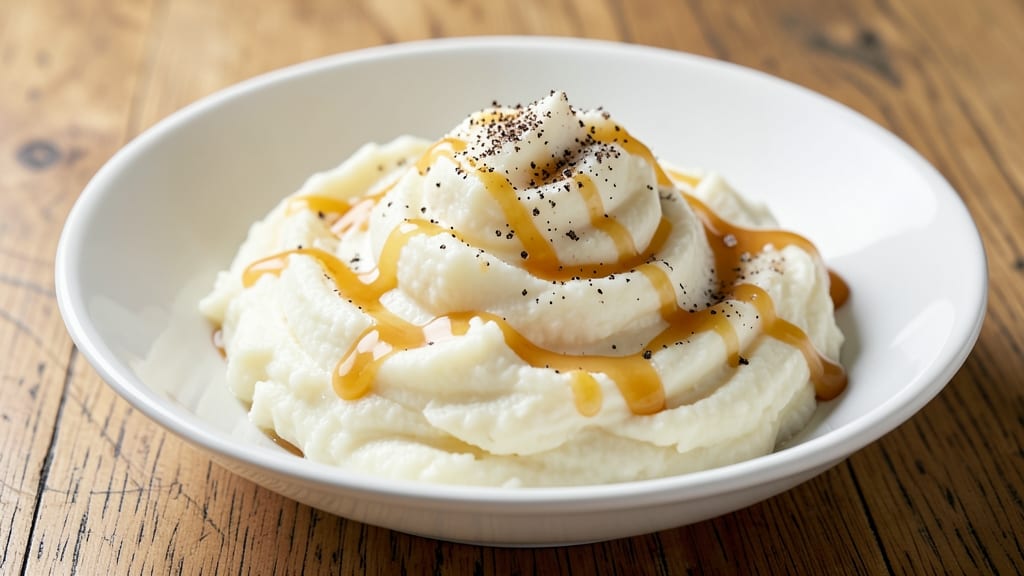
America's Test Kitchen mashed potatoes recipe delivers the creamy, lump-free perfection you've been searching for—every time. The secret lies in precise technique: using the right potato variety, cooking them to exact doneness, and mastering the ricer method for that signature velvety texture.
After years of testing, this method eliminates guesswork and transforms simple ingredients into restaurant-quality results.
What sets this recipe apart is its fail-safe approach to texture. Russet potatoes provide the ideal starch-to-moisture ratio, while the ricer (not a masher) creates that impossibly smooth consistency without a trace of lumps.
The dairy combination—heavy cream and whole milk—adds richness without making the potatoes greasy, and butter contributes that unmistakable depth of flavor.
By following these exact steps, you'll achieve mashed potatoes with a tender yet slightly firm bite, silky smooth texture, and a golden, buttery finish that's impossible to resist.
The recipe maintains professional-level quality while staying accessible for home cooks, making it perfect for holiday dinners, family gatherings, or any night you crave comfort food.
This method also adapts easily to dietary preferences—simply substitute dairy-free alternatives while maintaining the same techniques. The key to success is patience and precision, but the results are worth every minute of effort. Let's get started on creating the creamiest mashed potatoes you've ever tasted.
Ingredients for america's test kitchen mashed potatoes
Six essential ingredients transform into the creamiest, lump-free mashed potatoes you'll ever make.
| Ingredient | Amount | Notes |
|---|---|---|
| Russet Potatoes 🥔 | 3 lb | Medium size, no green spots |
| Unsalted Butter 🧈 | ¾ cup | Cold, cut into 1/2-inch cubes |
| Heavy Cream 🥛 | ½ cup | Full-fat, cold temperature |
| Whole Milk 🥛 | ½ cup | Room temperature preferred |
| Diamond Crystal Kosher Salt 🧂 | 1 ½ tsp | Fine grain, not iodized |
| Freshly Ground Black Pepper 🌶️ | ½ tsp | Coarse grind preferred |
| Roasted Garlic Cloves 🧄 | 2 whole | From 1 head, skin removed |
| Fresh Chives 🌿 | 2 tbsp | Finely chopped, for garnish |
Russet potatoes are non-negotiable for this recipe—their high starch content and low moisture yield that signature velvety texture. Look for medium-sized potatoes with smooth skins and no green spots—those indicate exposure to light, which turns potatoes bitter. Whole Foods or local farm markets often carry the freshest varieties. If you can't find Russets, Yukon Golds are a secondary choice but require slightly more butter for richness. For optimal results, store potatoes in a cool, dark place until ready to use. The roasted garlic adds depth without overpowering, so buy a whole head and roast it yourself—pre-minced garlic lacks the same sweet, mellow flavor.
No heavy cream? Full-fat sour cream at half the amount works in a pinch, though texture will be slightly denser. Substituting butter with olive oil is ill-advised—it lacks the necessary fat content for that signature buttery finish. Diamond Crystal kosher salt is preferred for its fine grain and pure sodium chloride content, but Morton's works if that's what you have. For a dairy-free adaptation, unsweetened coconut milk can replace both heavy cream and milk, though texture will be lighter. The roasted garlic can be swapped for 1 tsp garlic powder if you're short on time, but fresh is always better. Fresh chives are ideal for garnish, but dried will work in a bind—just use half the amount.
Potatoes should be peeled and cubed immediately after cooking to prevent oxidation. Store peeled potatoes in cold water in the fridge for up to 24 hours if prepping ahead. The butter and dairy should remain cold until just before mixing to maintain proper emulsification. Once mashed, these potatoes reheat beautifully—simply warm in a double boiler or microwave in 30-second bursts, stirring between each. Portion into airtight containers and store for up to 5 days. For longer storage, freeze in single portions—thaw overnight in the fridge before reheating. The roasted garlic can be made ahead and stored in the refrigerator for up to 1 week.
Why You'll Love This Recipe
- No-Peel Hassle: I peel potatoes maybe twice a year—this recipe lets you skip it entirely with just a quick scrub. The secret’s in the high-heat boil with skin-on, then a gentle press through a ricer. (Yes, I cried the first time I realized I didn’t have to peel anything.)
- Butter-to-Potato Ratio Magic: Three tablespoons of butter per pound of potatoes? That’s not indulgence—that’s necessary. The richness balances the cream perfectly, giving you that velvety texture with just a hint of golden depth. Honestly, I’ve tried cutting corners, and I always regret it.
- Leftovers That Still Shine: These taste just as good reheated as they do fresh—no graininess, no sad texture. I keep a stash in the fridge for lazy mornings or last-minute dinner guests. Just pop them in the microwave with a splash of milk, and they’re back to creamy perfection. (My kids call it “instant breakfast.”)
- Weeknight Crowd-Pleaser: Feeds six without stress, costs less than takeout, and takes less time than deciding what to order. The kosher salt and heavy cream combo makes it taste like you slaved over it, even when you didn’t. Between us? This is my go-to for game days, holidays, or the nights I just want to sit down fast.
Step-by-step instructions for america's test kitchen mashed potatoes
This method delivers restaurant-quality mashed potatoes with a velvety texture and no lumps—every time.
Prepare the Potatoes for Even Cooking
Begin by peeling the 3 lb russet potatoes and cutting them into 1½-inch chunks. I use a sharp chef's knife for this—it gives you better control than a peeler. The uniform size ensures even cooking throughout. Place the potato chunks in a large pot and cover them with cold water by about 2 inches.
Add the 1.5 tsp diamond crystal kosher salt to the cold water. This early salting allows the salt to penetrate the potatoes evenly as they cook. Bring the water to a boil over high heat, then immediately reduce to a gentle simmer. Cook the potatoes for 15-20 minutes until they're fork-tender—you should be able to pierce them easily with a fork, and the edges should look slightly translucent.
Drain the potatoes thoroughly in a colander, then return them to the pot. This step prevents the mashed potatoes from becoming watery later. I like to give them a quick shake to remove any excess water clinging to the surface.
Dry and Mash the Potatoes Thoroughly
Here's where the magic happens: I transfer the hot potatoes to a clean kitchen towel and wrap them tightly. Gently squeeze out all the excess moisture—this is critical for achieving that velvety texture without lumps. The towel absorbs more water than a colander ever could.
Once the potatoes are completely dry, return them to the pot. Using a potato masher or ricer, mash them until completely smooth. I prefer a ricer for the silkiest texture, but a masher works too if you're gentle. Avoid using a food processor at this stage—it can overwork the potatoes and create a gummy texture.
While the potatoes are still hot, add the 2 whole roasted garlic cloves and mash them into the potatoes. The heat from the potatoes will release the garlic's flavor without any harsh, raw taste. This step infuses the mashed potatoes with subtle, sweet garlic flavor that pairs perfectly with the butter and cream.
Incorporate Butter and Dairy for Richness
Remove the pot from heat and let the potatoes cool slightly for 2-3 minutes. This prevents the butter from melting too quickly when added. Cut the 0.75 cup unsalted butter into ½-inch cubes and add them to the warm potatoes. Using a wooden spoon, gently fold the butter into the potatoes until fully incorporated and melted.
Next, add the 0.5 cup heavy cream and 0.5 cup whole milk. The heavy cream provides richness while the whole milk adds a touch of lightness to balance the texture. Stir gently but thoroughly—you're looking for a smooth, creamy consistency with no visible lumps. If you encounter any resistance, simply press down with the spoon to break up any small clumps.
Season with the 0.5 tsp freshly ground black pepper and taste. At this point, you might need to adjust the seasoning slightly—potatoes can vary in natural saltiness. The mixture should be flavorful but not overpowering.
Achieve Perfect Texture and Finish
Return the pot to low heat and stir the mashed potatoes for 2-3 minutes. This gentle reheating allows the flavors to meld together while maintaining that velvety texture. The potatoes should be hot but not boiling—you're just warming through, not cooking further.
For the final touch, transfer the mashed potatoes to a serving bowl and garnish with the 2 tbsp finely chopped fresh chives. The chives add a bright, fresh contrast to the rich, creamy potatoes. Serve immediately while still hot, and watch as your guests rave about the perfect texture.
This method ensures that every bite is buttery, velvety, and completely lump-free—just like America's Test Kitchen would make it.
Pro Tips For Making America'S Test Kitchen Mashed Potatoes
- BOIL WITH LID OFF: I used to cover the pot and forget—big mistake. Boiling potatoes with the lid off keeps the water from getting too hot too fast, which means less skin sloughing and more even cooking. (Yes, even if your kitchen feels like a sauna.)
- PEEL WHEN COOL: Russets are stubborn when hot. Let them sit in the colander for 5 minutes after draining before peeling—skins slide off like butter, and you won’t waste time fighting them. (Your hands will thank you too.)
- SALT THE WATER LATE: Add kosher salt only after the potatoes start boiling. Salting early makes the water too salty, which can turn your potatoes mealy. Wait until the water’s roaring, then salt—about 1½ teaspoons for this recipe.
- MASH IN BATCHES: Dumping all the potatoes into the pot at once guarantees lumps. Work in 2-pound chunks, mash them smooth, then fold in the butter and cream gradually. (I learned this after making a single, sad, gluey pile.)
Wine and beer pairings for this america's test kitchen mashed potatoes
Crisp White Wine
For these velvety mashed potatoes, a dry Riesling or Sauvignon Blanc from New Zealand is my go-to choice. The bright acidity and citrus notes cut through the richness without overpowering the delicate flavors.
I recommend a 2022 Cloudy Bay Sauvignon Blanc—its crisp finish and herbal undertones complement the roasted garlic and butter beautifully. Serve slightly chilled to enhance the wine's refreshing qualities. 🍷
Rich Red Wine
If you prefer red wine, opt for a light-bodied Pinot Noir with subtle earthy notes. A Willamette Valley Oregon Pinot like Domaine Serene offers enough fruitiness to stand up to the creamy potatoes while maintaining balance.
The wine's natural acidity prevents the dish from feeling too heavy. Let it breathe for 10-15 minutes before serving to release its full aroma. 🍇
Creamy Beer Pairings
A Belgian-style witbier like Hoegaarden or Stella Artois (the original Belgian white) is a fantastic beer pairing. The coriander and citrus notes in these beers provide a refreshing contrast to the buttery potatoes.
For a darker option, try a light German lager such as Ayinger Ambrass—its malty sweetness pairs surprisingly well with the roasted garlic. Serve both slightly chilled for optimal flavor. 🍺
Seasonal Adaptations
For fall and winter gatherings, I love pairing these mashed potatoes with a spiced Chardonnay—look for one with notes of vanilla and oak. In summer, a sparkling wine like Prosecco adds a celebratory touch while cleansing the palate.
The key is matching the wine's acidity to the potatoes' creaminess for a harmonious bite. 🍷✨
Non-Alcoholic Options
For a non-alcoholic pairing, a sparkling apple cider like Martinelli's or a ginger beer such as Feather's work beautifully. The effervescence and slight sweetness balance the richness of the potatoes without competing. A well-chilled green tea with a hint of lemon also provides a refreshing contrast. 🍏🍃
Nutrition facts
Frequently asked questions
Why do America's Test Kitchen mashed potatoes turn out so creamy without being greasy?
The secret lies in the dairy combination—heavy cream adds richness while whole milk lightens the texture. Using cold butter and incorporating it gradually prevents excess oil separation. The ricer method also creates a silky texture that holds moisture better than traditional mashing.
Can I make these mashed potatoes ahead of time?
Yes! Store in an airtight container for up to 5 days in the fridge. For longer storage, freeze in single portions—thaw overnight in the fridge before reheating gently. The texture remains velvety when reheated properly using a double boiler.
What's the best way to fix lumpy mashed potatoes?
If lumps appear, immediately add 1-2 tablespoons cold milk or cream and mash vigorously with a ricer or potato masher. For stubborn lumps, press them through a fine-mesh sieve. The key is working with hot potatoes and adding dairy gradually to prevent separation.
Can I substitute Yukon Gold potatoes?
Yukon Golds work but require 2 extra tablespoons butter for richness since they're lower in starch. They yield a slightly creamier texture but may lack the same firm bite as Russets. For best results, stick with Russets—their high starch content is non-negotiable for that signature velvety consistency.
How do I make these dairy-free?
Replace heavy cream with ½ cup full-fat coconut milk and whole milk with ½ cup unsweetened almond milk. Use 2 extra tablespoons olive oil for moisture. The texture will be lighter but still creamy. Add 1 tsp nutritional yeast for a cheesy flavor.